In this guide
- Day one
- Yuzhong peninsula: Jiefangbei, old lanes, Chaotianmen and one evening view.
- Day two
- West side: Eling Park and Testbed 2, or Ciqikou and Shapingba. Choose one cluster.
- Day three
- South bank: cableway, Longmenhao, Nanbin Road and a viewpoint if the sky is clear.
- Transport
- Metro for long moves; walking for neighborhoods; taxi for Nanshan and late returns.
- Meals
- Noodles in the morning, a neighborhood lunch, hotpot or a shared dinner at night.
- Pace
- One main area per half-day, with a real pause in the middle.
How this itinerary works
This is a framework, not a timetable. Each day is grouped around one side of the rivers so you spend less time crossing the city and more time noticing it. Keep the order flexible: weather, energy, queues and opening information should decide the details.
| Day | Area | Main stops | Transport | Pace |
|---|---|---|---|---|
| One | Yuzhong peninsula | Jiefangbei, Shibati or the old lanes, Chaotianmen, Hongyadong | Walking plus Line 1/2/6 | Full day, with an afternoon pause |
| Two | West side | Eling Park and Testbed 2, or Ciqikou and Shapingba | Line 1/2, plus walking | Full day, with one steep section |
| Three | South bank | Cableway, Longmenhao, Nanbin Road, Nanshan viewpoint | Cableway, metro, taxi | Medium day, with a late finish |
If you only have two days, combine day one with the cableway and a south-bank meal, and move the west-side neighborhood to a return trip. If you have four or five days, give the west side and the south bank more room, or add a museum morning.
Day one — Yuzhong and the confluence
Morning. Start around Jiefangbei, the central shopping and business district on the Yuzhong peninsula. The metro stations here are useful anchors: Jiaochangkou (Lines 1 and 2), Xiaoshizi (Lines 1 and 6) and Linjiangmen (Line 2). Walk rather than transfer between them; the streets between are part of the experience.
From Jiefangbei, choose one old-street route. Shibati (十八梯, the “eighteen steps”) is a stepped, rebuilt street with shops and city views; it is popular and commercial, but the levels are memorable. The Mountain City Trail is steeper and more of a walk, with cliffside sections and old city walls. Do one, not both, unless you have plenty of energy.
Lunch. Eat near Jiefangbei or at the top of your chosen route. A bowl of xiaomian is a good midday option; save a larger meal for the evening. If your legs are already tired, take a metro ride rather than adding another walk.
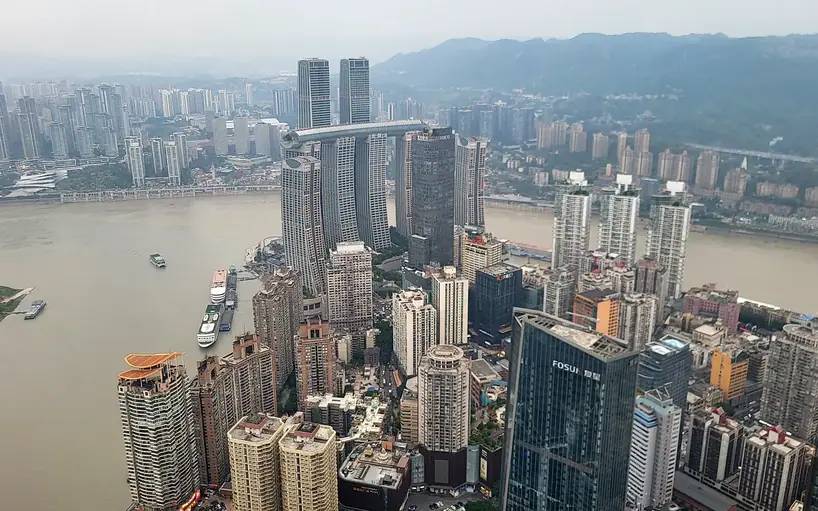
Afternoon. Continue to Chaotianmen, where the Yangtze and Jialing meet. The peninsula's shape becomes clear here, and the Raffles City complex is a useful landmark. Walk along the riverfront if the weather is kind, then pause indoors or in a cafe before the evening.
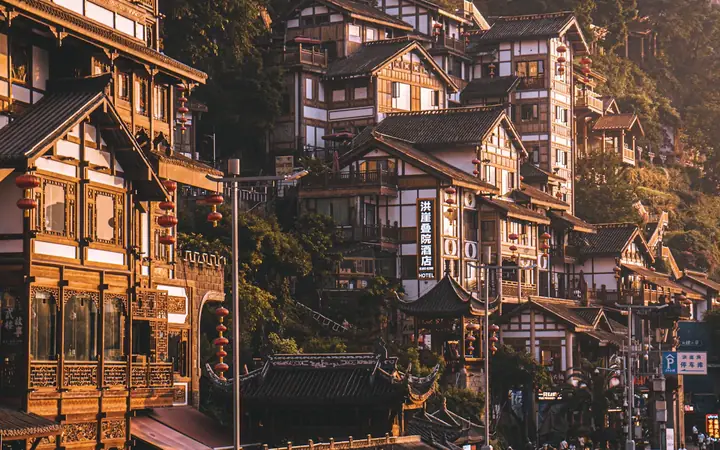
Late afternoon and evening. Choose one night view rather than racing between several. Hongyadong is the famous stilted complex on the Jialing side; the streets around it and the Qiansimen Bridge area are busy after dark. Watch from a respectful distance, keep moving, and do not block stairs or traffic for photographs. A riverside walk or a high viewpoint can be calmer.
Day two — west for local texture
Morning. Start with noodles, then take Metro Line 1 west. For a compact half-day, get off at Eling and walk to Eling Park, a hilltop green space with views over the peninsula. Continue on foot to Testbed 2 (贰厂), the former printing factory turned cultural park at No. 1 Eling Main Street. The walk between them is roughly a kilometre and signposted, but it includes slopes and steps.
Lunch. Eat around Eling, Testbed 2 or Daping. The area is less polished than Jiefangbei and has plenty of everyday restaurants. If you want a quieter meal, leave the main visitor cluster and walk one or two streets.
Afternoon choice A — rail and river. Take Line 2 to Liziba Station, where the monorail passes through a residential building. It is a working station, not a theme park; watch from the designated areas and keep the platform clear. Continue toward Jiaochangkou or Linjiangmen for a river walk.
Afternoon choice B — old town and rail hub. Take Line 1 to Ciqikou, the old port district in Shapingba. The main street is busy and commercial, but the back lanes, teahouses and river edge are worth a slower look. Shapingba station is nearby for the next leg of your trip. Do not attempt Ciqikou and the Eling cluster in the same afternoon unless you are comfortable moving quickly.
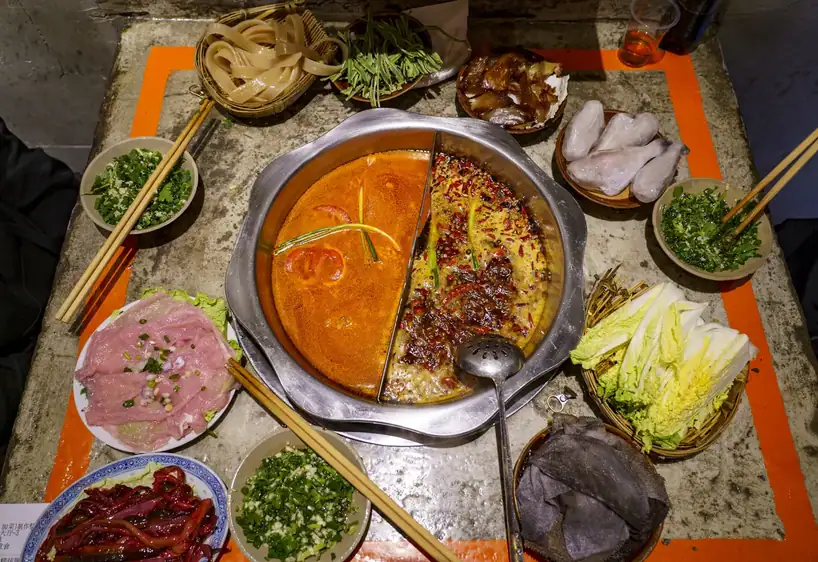
Evening. Return to the central peninsula for hotpot, or eat near Guanyinqiao if you are staying north of the Jialing. A shared hotpot is the natural end to a day of walking: order a few dishes first, cook them thoroughly and add more as you go.
Day three — south bank perspectives
Morning. Cross to Nan'an. The Yangtze River Cableway connects Xinhua Road in Yuzhong with Shangxinjie on the south bank; it is a working crossing as well as a visitor experience. Queues can be long, so check the operator's current information and arrive early if the cableway is a priority. The metro to Shangxinjie is a practical alternative, especially in poor weather.
Walk from Shangxinjie toward Longmenhao Old Street, a restored lane with river views and tea houses. The area is hilly; take the downhill direction when you can and allow time to find the correct level.
Lunch. Eat on the south bank rather than crossing back. Nanbin Road has riverside restaurants, but the road covers a long stretch; check the exact section and the walk from your station before choosing a place.
Afternoon. Keep the plan light. A riverside walk, a teahouse or a slow lunch is a good use of the middle of the day. If you want a museum, the Three Gorges Museum and the Great Hall of the People are on the Yuzhong side, not the south bank; save them for a rainy alternative rather than squeezing them in.
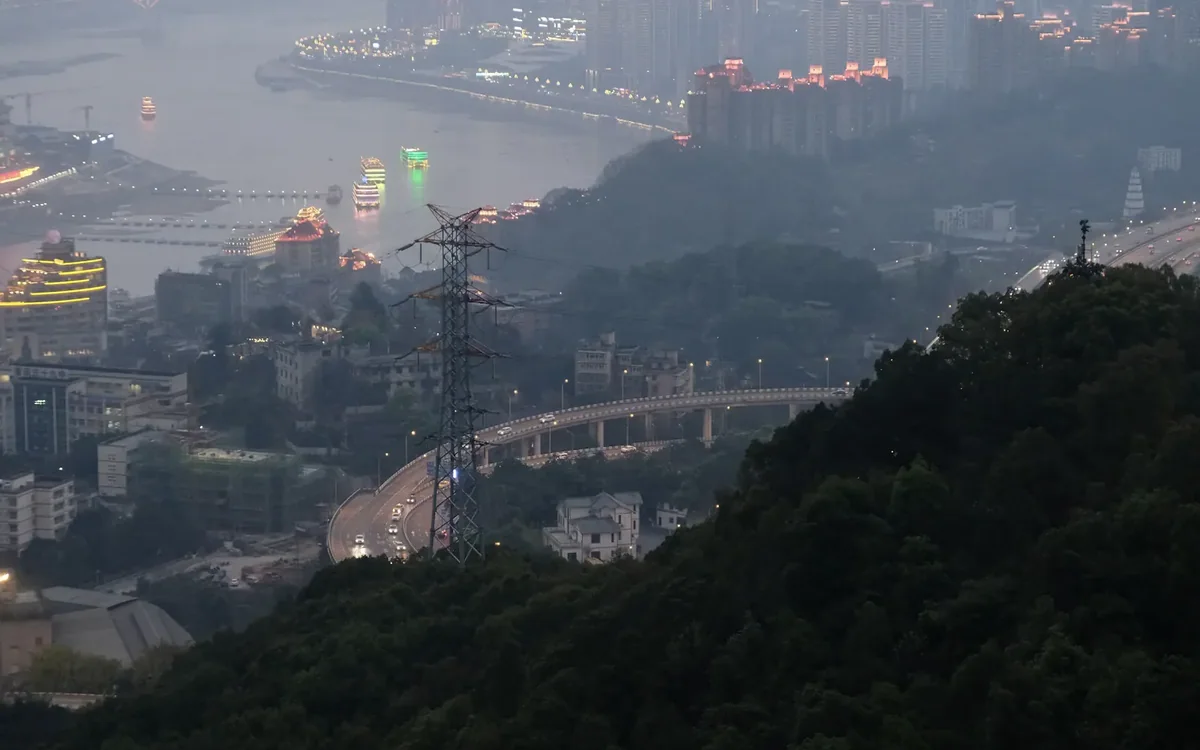
Late afternoon and evening. For the classic skyline view, take a taxi to the Nanshan One Tree viewpoint (南山一棵树) and arrange your return in advance. There is no direct metro; the road is narrow and traffic can be slow. If low cloud hides the skyline, stay on Nanbin Road or return to Yuzhong for an early dinner. A view you cannot see is not worth a long, uncomfortable trip.
Alternatives for weather, energy and company
If it rains or the cloud is low
Swap the skyline for the Three Gorges Museum, the Great Hall of the People, a long lunch or the covered streets around Jiefangbei. Museums may close on certain days or require advance booking; check the official page before you go. Keep the evening flexible and try the view again on another night.
If it is hot
Start earlier, take a real indoor break between 13:00 and 16:00, and move the walking to the evening. Carry water and do not underestimate the effect of humidity on stairs. The metro is air-conditioned; use it for long crossings even when the map makes walking look possible.
With children or older travelers
Use the cableway, riverside paths and museums rather than steep trails. Choose one old-street area and skip the longest stair routes. Taxis are useful for short, awkward connections; show the destination in Chinese and confirm the drop-off level.
If you have a fourth day
Return to the west side for Ciqikou and Shapingba, or take a day trip. Dazu Rock Carvings is a long day trip, not a half-day add-on; check current rail and bus connections before committing. A slower morning and a second hotpot dinner are also a legitimate use of the time.
Practical notes for the three days
- Book what needs booking. Rail tickets, some museums and the cableway may require advance booking. Use official channels and check current rules.
- Keep the Chinese names. Save Jiefangbei (解放碑), Hongyadong (洪崖洞), Chaotianmen (朝天门), Ciqikou (磁器口), Eling (鹅岭), Testbed 2 (贰厂) and Nanshan One Tree (南山一棵树).
- Carry a light layer. River evenings can be cooler than the daytime streets, and air-conditioned museums can be cold.
- Wear gripped shoes. Wet stone steps and steep lanes are common. This is not a city for smooth soles after rain.
- Do not overbook meals. A famous restaurant is not required. A busy neighborhood shop with a photo menu is often easier and more interesting.
- Leave room for a wrong turn. Some of the best views in Chongqing appear when a staircase leads somewhere unexpected.